Is It Me or You Who’s Changed? Understanding Hormonal Imbalance in Couples and Adults Over 30 — and How to Restore Happiness and Youthful Vitality
1 Views
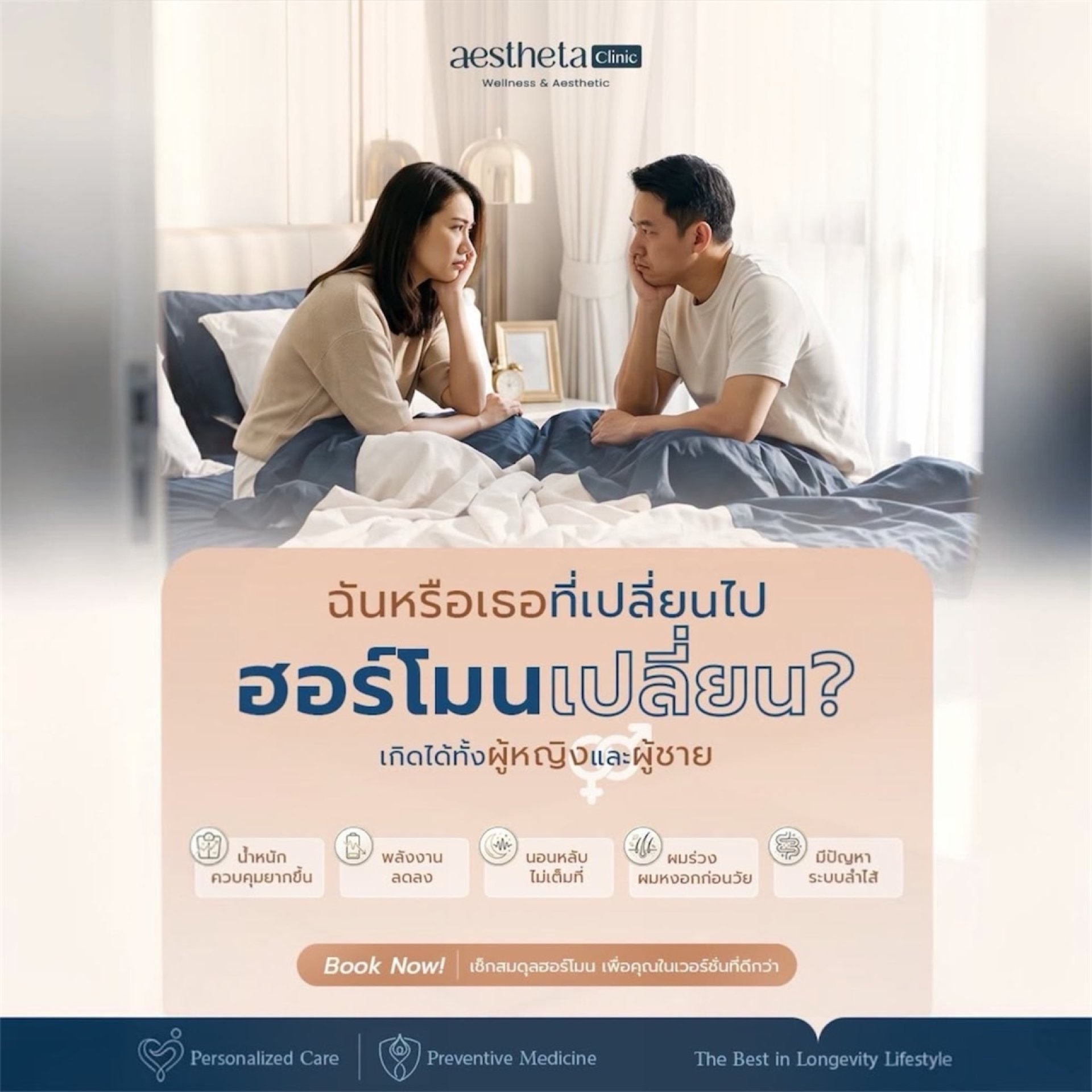
Have you ever wondered whether the growing distance and changes between you and your partner might not be caused by falling out of love, but rather by a silent biological factor known as hormonal decline and imbalance? This condition can affect both men and women as they enter their 30s and beyond.
1. Five Warning Signs of Hormonal Changes in Men and Women
As levels of key hormones such as estrogen, progesterone, testosterone, cortisol, and DHEA change, your body may experience five common warning signs:
1. Difficulty Managing Weight
Despite maintaining the same eating habits, you may experience weight gain, increased abdominal fat, and changes in your metabolism.
2. Declining Energy Levels (Chronic Fatigue)
Persistent afternoon fatigue, low energy, and feeling exhausted even after getting sufficient rest.
3. Sleep Disturbances
Difficulty falling asleep, poor sleep quality, and frequent nighttime awakenings, often resulting in morning brain fog.
4. Hair Loss and Premature Graying
Changes in hair health, accompanied by dry skin and reduced skin elasticity.
5. Digestive Issues and Mood Changes
Frequent bloating, digestive discomfort, mood swings, irritability, and a noticeable decline in sexual desire.
2. Why Should Couples Over 30 Assess Their Hormonal Health Together?
In men over 30, testosterone levels may gradually decline, potentially affecting muscle mass, physical strength, energy, and motivation.
In women, hormonal fluctuations and prolonged stress may contribute to mood swings, menstrual discomfort, and changes in overall well-being. Chronic stress can also affect cortisol regulation in both men and women.
By undergoing hormone assessments together, couples can develop a deeper understanding of each other's physical and emotional changes, recognizing that biological factors may influence their well-being and relationship dynamics.
3. Personalized Hormone Care at Aestheta Clinic
Aestheta Clinic focuses on comprehensive hormonal assessments through blood testing and physician consultations, followed by personalized care plans designed to support hormonal balance.
- Bioidentical Hormone Replacement Therapy (BHRT)
A personalized approach using hormones that are structurally identical to those naturally produced by the human body, under appropriate medical supervision.
- Targeted Micronutrient & IV Drip Therapy
Personalized vitamin and amino acid supplementation designed to support essential physiological functions.
- Lifestyle & Stress Management
Professional guidance on lifestyle adjustments and stress management to support long-term hormonal health and overall well-being.
Don't let hormonal imbalance affect your quality of life or your relationship. Take the first step toward restoring balance, rediscovering intimacy, and becoming the best version of yourself.
Discover personalized wellness care at Aestheta Clinic, available at all three locations:
CentralWorld
Paradise Park
Well Aesthetic & Wellness Center, Ratchada
Related Content


สิวที่ขึ้นซ้ำตรงคางและกรอบหน้าทุกเดือน รักษาหายแล้วก็กลับมาใหม่ อาจไม่ใช่เพราะล้างหน้าไม่สะอาด แต่อาจเป็น สิวฮอร์โมน ที่ต้นเหตุอยู่ลึกกว่าผิวหนัง

Liver cancer is a silent danger that needs to be detected early! It is a disease that often shows no symptoms in the early stages, leading many to discover it only when it has become difficult to treat. But did you know? If detected early, the chances of curing liver cancer are much higher!
